








Have you ever thought about how much time we waste on traffic, parking, and changing rooms just to get one hour of gym time?
Anyone who trains regularly knows it well: the real barrier isn’t physical fatigue — it’s fitting the workout into a busy schedule. And it’s precisely in this gap, between the desire to work out and the logistical challenges, that a fast-growing market is emerging.
The traditional mass fitness model is giving way to agile, flexible, and highly personalized solutions. Today’s customer wants to decide when to train, where, with what equipment, and with which specific goal.
They’re looking for smart, on-demand solutions that waste neither time nor resources.
The rise of micro-gyms and personalized training platforms isn’t just a passing trend — it’s a structural response to a cultural and operational shift. For those working in the fitness industry, understanding this evolution isn’t just helpful: it’s essential to stay competitive.
Sidea, a market leader in the design of functional training spaces and home gyms, understands this deeply — and is ready to guide you through this ever-evolving world of fitness.

What Is a Micro-Gym?
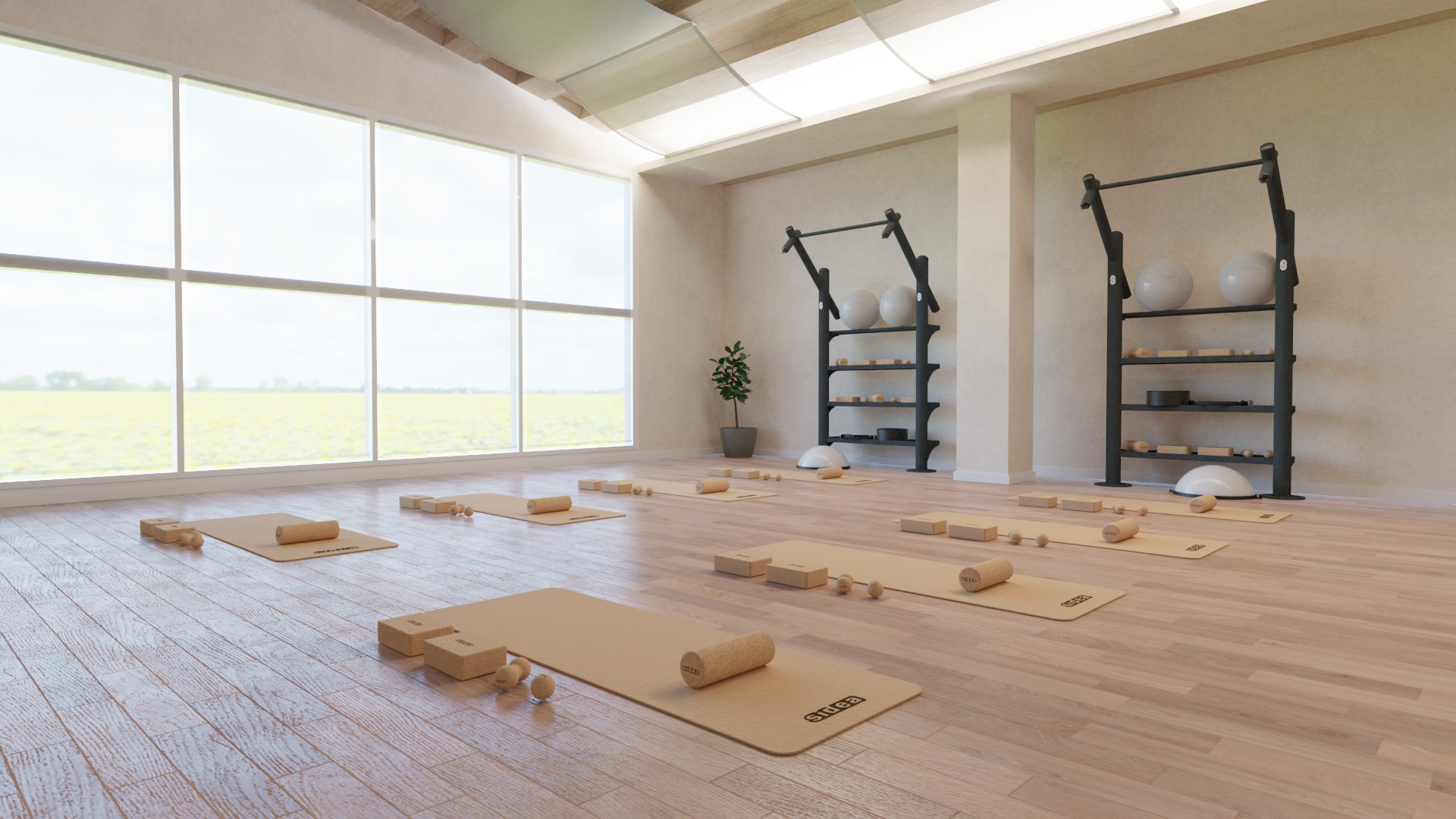
The term micro-gym refers to a compact fitness facility, optimized to deliver high-performance training in a limited space. It’s not just a “mini gym,” but a purposefully designed environment where every element — from equipment to logistics — is engineered to maximize both training efficiency and user experience.
Micro-gyms can take different forms:
-
Private (for exclusive use by a client or trainer)
-
Semi-private (shared by small groups)
-
On-demand (bookable by the hour via apps or digital platforms)
Key Features
-
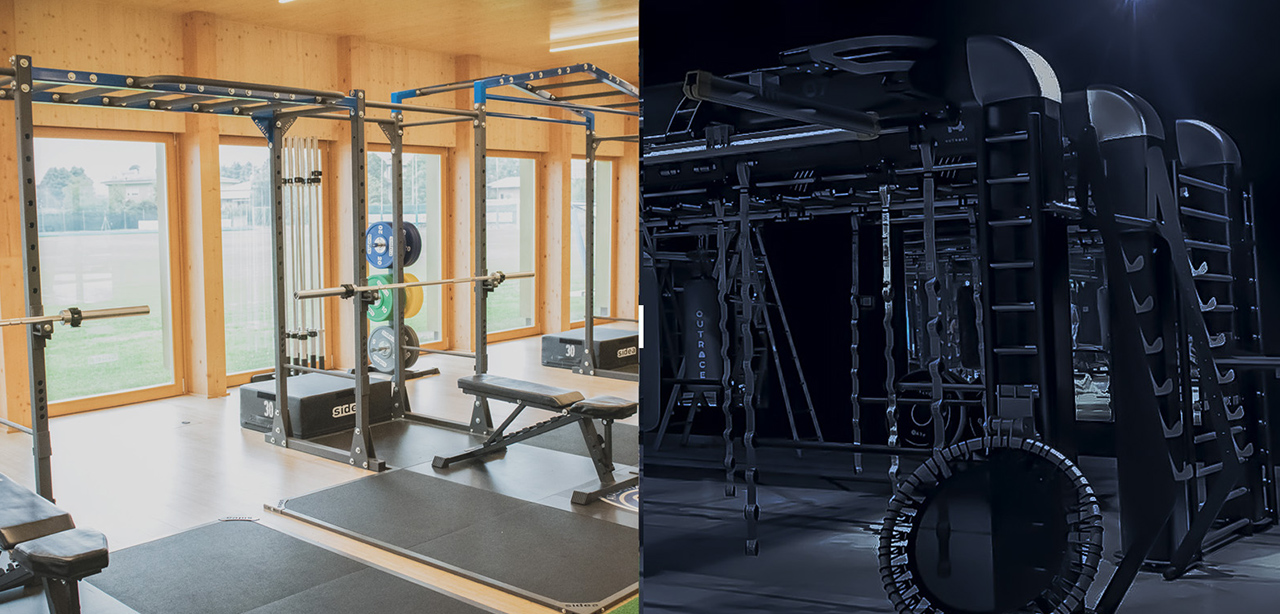
Optimized Space: Typically between 15 and 50 sqm, often located in converted garages, standalone units, or modular areas within larger facilities.
-
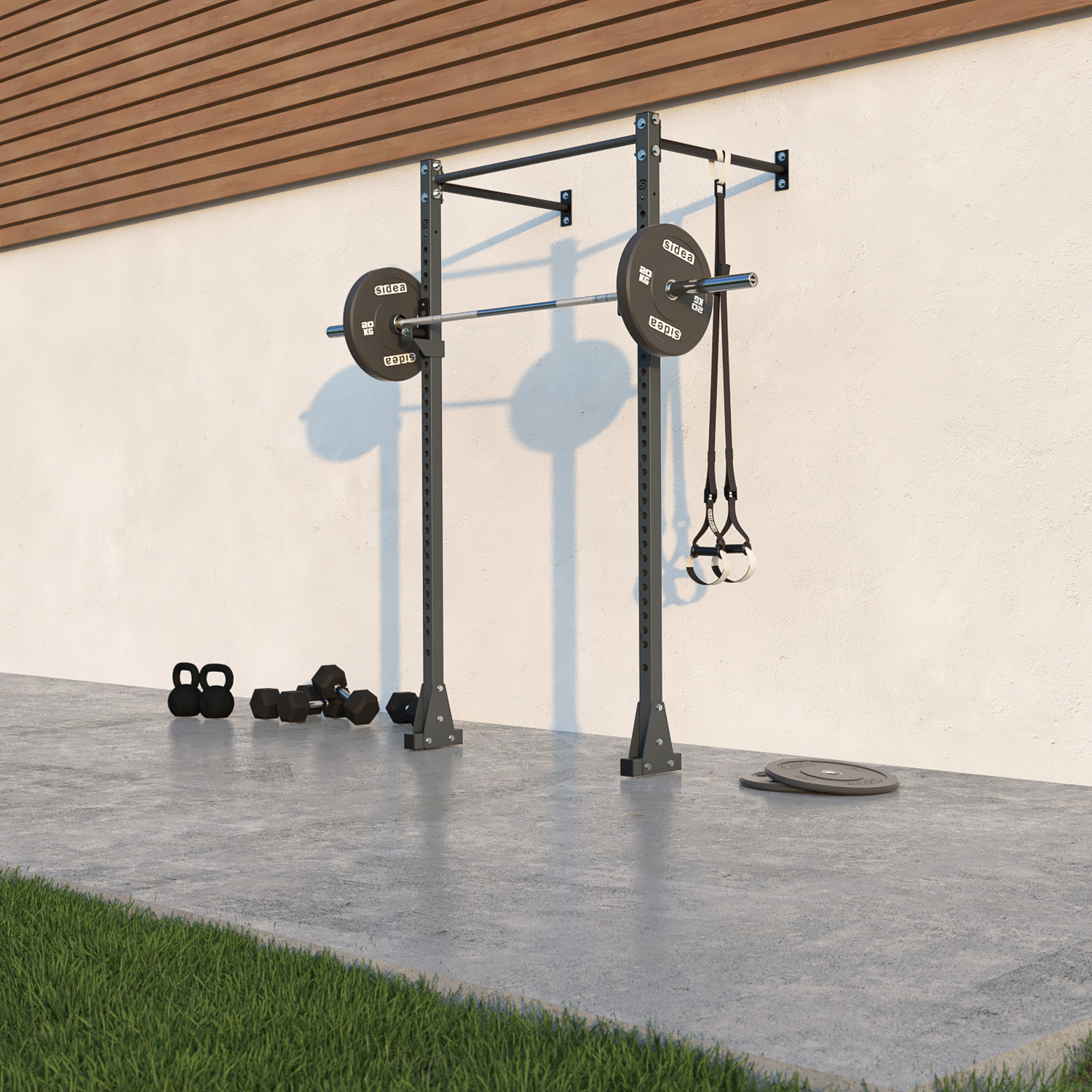
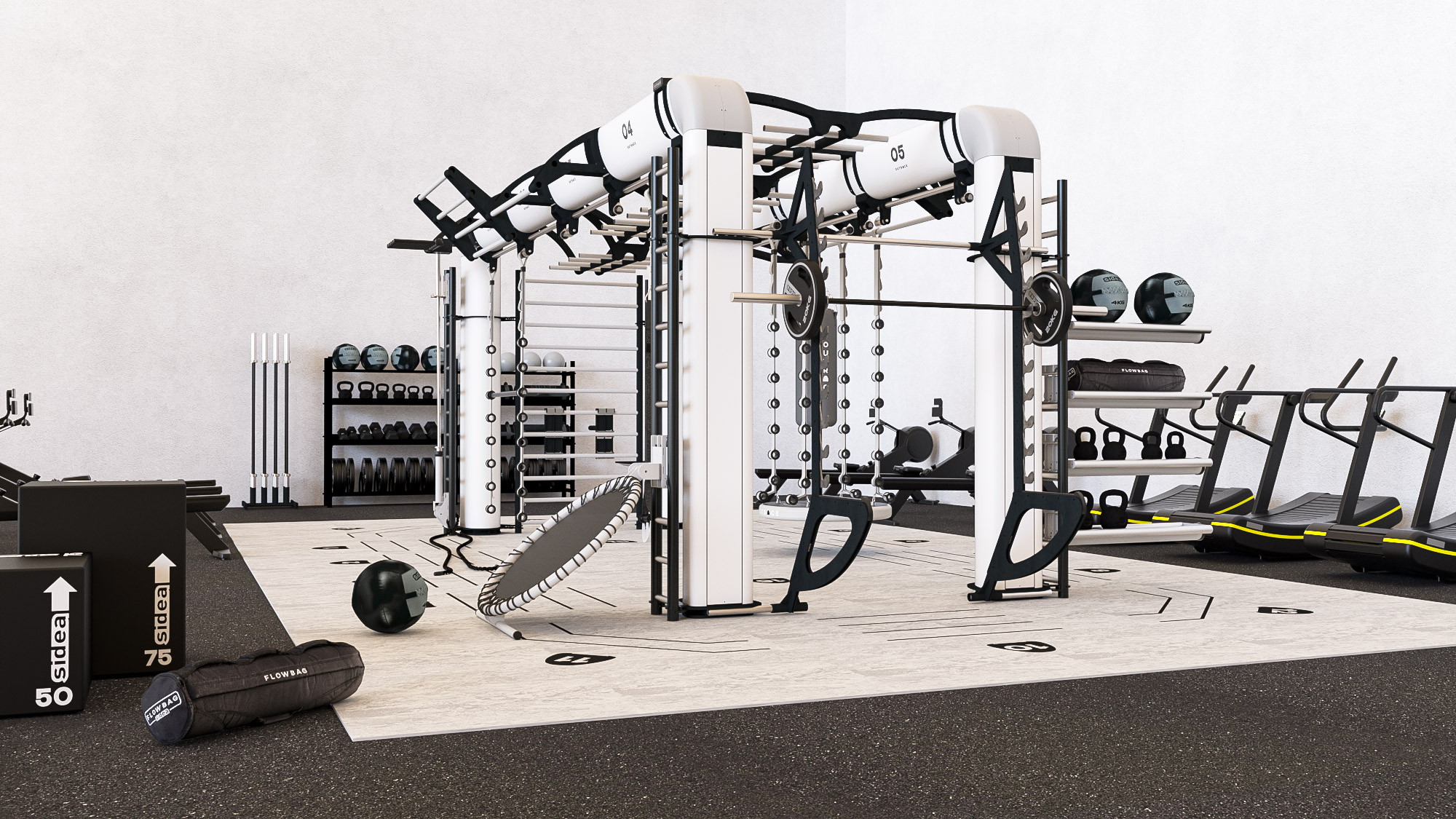
Multifunctional Equipment: Integrated racks like the All-in-One 9080, technical flooring, modular furniture, or wall-mounted accessories that maximize space utility.
-
Integrated Technology: Booking systems, workout tracking, digital training content, and AI-powered customization tools.
-
Flexible Access: 24/7 availability via badge, QR code, or remote access systems.
Target Audience
-
Users seeking maximum privacy, efficiency, and a highly personalized training experience.
-
Personal trainers and coaches who want to offer premium sessions in their own spaces while reducing overhead costs.
-
Investors and operators aiming for scalable, replicable models with low operational risk.
The micro-gym concept goes beyond square footage: it’s a new business paradigm where every square meter generates value through customized services, superior user experience, and smart technology.
Sidea: Experts in Functional Training and Home Gym Design
Sidea is a market leader in the design and development of functional training and home gym environments, thanks to an in-house technical team made up of biomechanical engineers and professional trainers.
Our expertise goes beyond technical skills: it’s driven by the same passion for fitness that motivates our clients every day.
We focus on the real needs of athletes and coaches, crafting tailored, functional, and high-performance spaces — whether for professional bodybuilders, rehab specialists, or the most demanding trainers and athletes.

Why Users Choose On-Demand
The rise of on-demand workouts is no coincidence — it’s the direct result of a radical shift in fitness consumption habits. Today’s users are more informed, more demanding, and above all, more conscious of their time. They’re not just looking for a place to work out, but for a solution that fits their lifestyle — not the other way around.
Time as the New Currency
Training on-demand means eliminating everything that isn’t training: commutes, waiting times, distractions. The user gets to choose the time, the duration, the type of workout, and often even the trainer. This level of operational autonomy represents a major competitive advantage.
On-demand fitness isn’t just a convenient alternative to the traditional gym — it’s a strategic response to growing demand for autonomy, quality, and personalization.
For professionals in the fitness industry, embracing this model doesn’t just meet an emerging need — it means staying ahead of an inevitable evolution.

Benefits for Fitness Professionals
The success of micro-gyms and on-demand training isn’t just about the end user. For fitness professionals — personal trainers, physiotherapists, athletic coaches, and space operators — this transformation represents a real opportunity for growth, autonomy, and differentiation.
A Lean, Scalable, and Sustainable Model
Opening or managing a micro-gym involves significantly lower operating costs compared to a traditional gym:
-
Smaller spaces: just 15 sqm can be enough for a one-on-one studio with the right rack — meaning lower rent and utility expenses.
-
Multifunctional equipment: higher ROI per square meter.
-
Minimal or no staffing: especially with automated access systems.
This makes the business model more agile and replicable, ideal for both independent professionals and investors seeking lean, low-risk solutions.
Professional Freedom and Higher Profit Margins
A personal trainer working in a conventional facility typically receives only a small portion of the value they generate. With a micro-gym or on-demand service, the professional can:
-
Directly manage their schedule and clientele
-
Set pricing based on the real value of their service
-
Create customized packages, offer digital follow-ups, and build private communities, increasing profitability.
This approach also strengthens the relationship with clients, significantly reducing churn.
Positioning as a Forward-Thinking Professional
Those who adopt on-demand and micro-gym solutions demonstrate innovation, flexibility, and entrepreneurial vision. In an increasingly competitive market, standing out through quality and personalization is key.
Professionals who build their own ecosystem — even a small one — based on technology, direct relationships, and perceived value, gain a long-lasting competitive advantage.

Case Studies and Real-World Examples: Who’s Already Winning with Micro-Gyms and On-Demand Fitness
Data and ideas are important, but it’s within real-world models that the true potential of micro-gyms and on-demand fitness becomes most evident. Below are a few key examples that illustrate different applications of the concept — from independent personal trainers to tech startups, all the way to traditional gyms that have reimagined their business model.
1. The Independent Trainer Turned Entrepreneur: Doms Lab
DOMS LAB
A personal trainer based in Monopoli, Italy, converted a former retail space into a private training studio, equipping it with a multifunctional rack, technical flooring, and small functional tools.
Thanks to an online booking system, he works in 1-to-1 or small group sessions, offering fully customized training experiences that maximize client satisfaction.
Results:
-
High profit margins,
-
Low fixed costs,
-
Exceptional client retention.
It’s a replicable model, even in smaller towns, with modest startup investment and a focus on ultra-personalized service and client care.

2. The Scalable Digital Platform: Future (USA)
Future is a U.S.-based platform offering 100% remote personalized coaching, pairing each user with a certified trainer. Clients receive weekly programs through the app, communicate via voice and video messages, and use integrated wearables for continuous performance monitoring.
Results:
-
Over 150,000 active users
-
Subscription-based model
-
Trainers compensated based on client satisfaction
Lesson for Italy: Even a freelance coach can replicate a similar model on a smaller scale using tools like Google Meet, Notion, TrueCoach, or Trainerize.
3. The Gym That Reinvents Itself: FlexBox
A 700 sqm gym in a small town repurposed part of its space into four bookable micro-studios:
-
One for functional training
-
One for mobility and stretching
-
One for sport-specific workouts
-
One for personal coaching
Access is managed via RFID badge, sessions are booked through an online platform, and each room is sanitized after every use.
Results:
-
Increased space utilization rate
-
Gained a new premium customer segment
Strategic vision: a hybrid model that merges traditional gym services with boutique studio concepts, without disrupting the facility’s original structure.
4. The Sidea Experience: Where Micro-Gym Meets Iconic Italian Design
In the Italian market, Sidea stands out as a leading company in the design and production of equipment for functional training and athletic preparation. Sidea has collaborated with a wide range of professionals to develop micro-training solutions that combine outstanding design, functionality, material quality, and modularity.
Most popular configurations include:
-
Multifunctional racks:
-
All-In-One 9080
-
All-In-One Premium 9088
-
-
Modular and customizable rack systems:
-
9095 Series
-
High Performance Series
-
-
Complete systems for creating training corners within gyms, medical studios, hotels, or high-end home gyms — all with innovative design and high visual impact.
-
Outrace systems
In many cases, these installations have enabled professionals to:
-
Increase the perceived value of their services
-
Raise the average ticket per client
-
Clearly differentiate their offering from local competitors
Result: A growing network of turnkey micro-gyms, from design to installation, created to meet the needs of a demanding audience focused on experience, performance, and continuity of use.


Challenges and Future Outlook
Micro-gyms and on-demand fitness represent one of the most exciting evolutions in today’s fitness landscape. However, these models are not without challenges. To ensure long-term sustainability and growth, it’s crucial to address key structural issues and seize emerging opportunities with an entrepreneurial mindset.
Key Challenges to Address
1. Smart Initial Investments
Setting up a micro-gym isn’t always inexpensive — especially if the goal is to offer a premium experience. What’s needed is a modular project designed to grow over time and create value from day one. In this regard, support from professionals like Sidea, a market leader in designing and building these spaces, is essential to avoid wasting valuable resources.
2. Digital Skills
Managing an on-demand service requires strong digital capabilities: online booking, asynchronous communication, coaching platforms, and analytics management. Training in these tools is a necessary step to avoid inefficiencies and optimize operations.
3. Regulation and Safety
The boom in micro-gyms has in many cases outpaced legal and regulatory frameworks. Careful attention is needed regarding:
-
Health and hygiene regulations
-
Insurance coverage
-
Automated access security and data privacy management
Strategic Perspectives
1. Local, but Scalable
Micro-gyms can evolve into local or franchised networks. Replicable models, consistent branding, and centralized management of digital services open the door to rapid growth, even on a regional or national scale.
2. Artificial Intelligence in Coaching
AI-driven personalization is on the rise, enabling deeper analysis of biometric data, feedback, habits, and results — producing dynamic and adaptive training plans for both in-person and remote sessions.
3. Integration with Other Sectors
Wellness, physiotherapy, nutrition, and mental health: the micro-gym concept lends itself to multidisciplinary integration, where the fitness professional becomes the coordinator of a holistic wellness ecosystem.
In Summary
Micro-gyms and on-demand fitness aren’t just an alternative to traditional gyms — they are a new language of movement, defined by autonomy, precision, connection, and technology.
Those who can interpret this evolution with intelligence and entrepreneurial vision won’t just survive market changes — they will lead them.
Your Step Toward the Future
Have you already imagined what your ideal micro-gym could look like?
We’re here to help you build it — with our know-how, our equipment, and our passion for innovation.
Contact us, tell us about your project, and let’s build it together.

The strength of the mind and of movement
Original Club: When Training Becomes an Anthem to Your Uniqueness Sidea (S): I have to [...]
24
Nov
Nov

Home & Garage Fitness
Together we develop your home or garage gymSend us the floor plan of your space [...]
18
Nov
Nov

Hip Thrust: Full Analysis
Hip Thrust, an evolution of the free-body hip extension, is now the must-have exercise for [...]
06
Nov
Nov

Circular Strength: The Training That Anticipated the Future
Strength That Flows in Every Direction For decades, strength training has been understood in linear [...]
17
Oct
Oct

Smith Machine in Integrated Functional Training: The Added Value of Sidea’s All-in-One Racks
Sidea, Functional Training, and European Leadership In the European landscape of strength and conditioning equipment, [...]
09
Aug
Aug
On-Demand Fitness and Micro-Gyms: Design Your Tailor-Made Workout Space
Have you ever thought about how much time we waste on traffic, parking, and changing [...]

Sidea: The Italian Leader in Functional Training – From Design to Delivery
Sidea: Italy’s Leading Brand in Functional Training Equipment – Indoor and Outdoor Sidea is Italy’s [...]
15
Jul
Jul

Force and performance vectors
Force and performance vectors In the world of sports training, we often speak of strength [...]
19
Jun
Jun
Sale!