





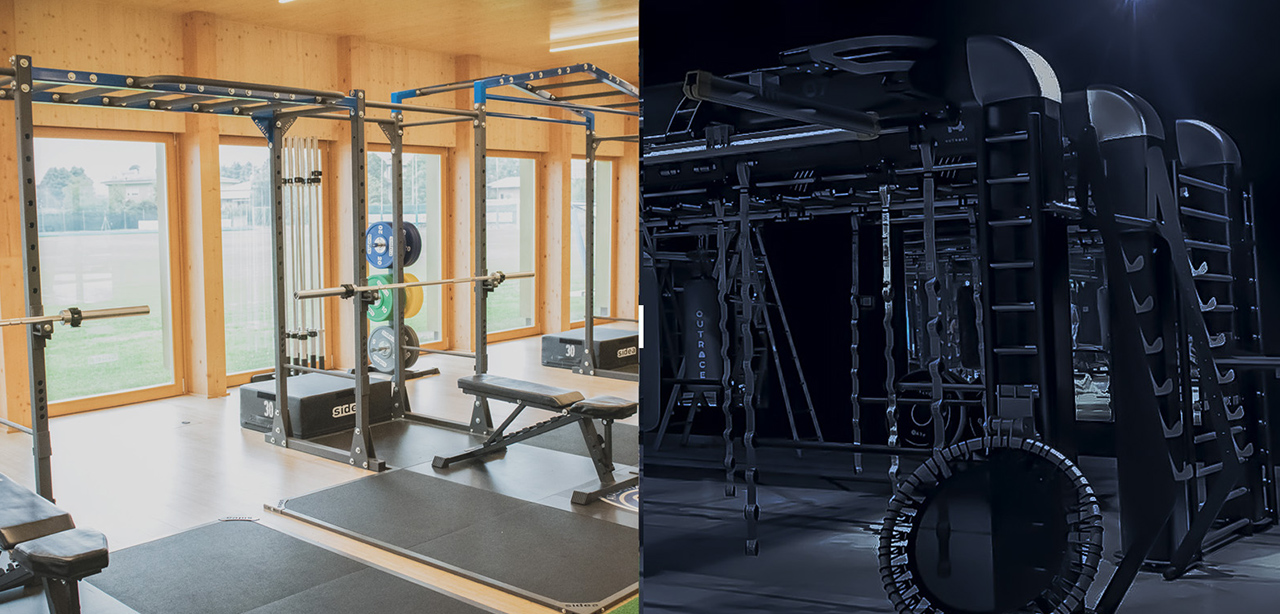
Sidea, Functional Training, and European Leadership
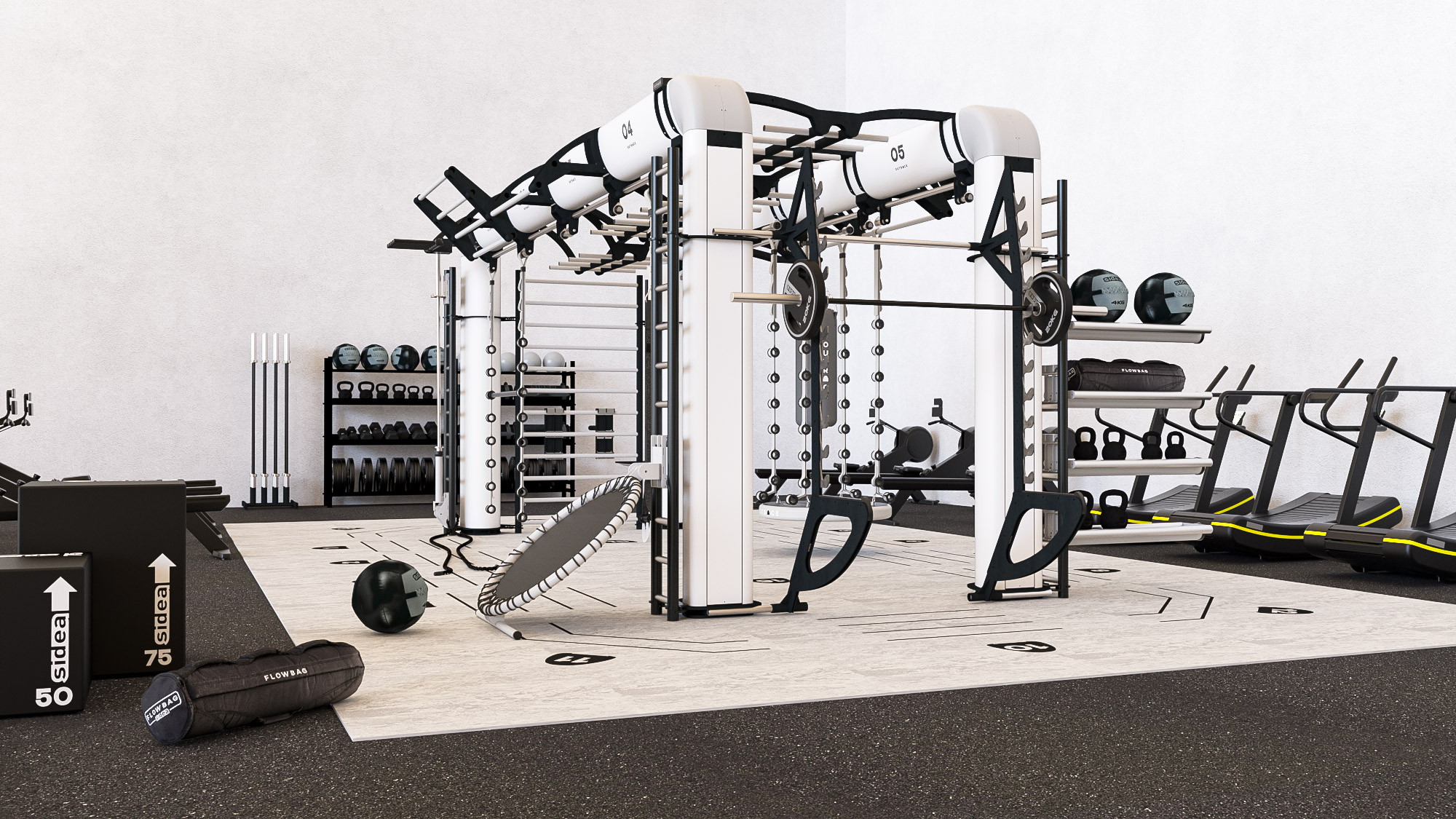
In the European landscape of strength and conditioning equipment, Sidea has established itself as a leader over the past 25 years thanks to its vision of integrated functional training: a philosophy centered on movement variety and equipment adaptability to the real needs of the athlete. The All-in-One Rack models 9080 and 9088—true multifunctional stations—perfectly embody this philosophy. At the heart of both solutions: the Smith Machine, also known as Multipower.

The Smith Machine in the Functional Context: Only an Apparent Paradox
Traditionally associated with bodybuilding and classic isotonic training (that is, isolated or analytical training aimed at specifically stimulating a single muscle or muscle group, limiting the involvement of kinetic chains and synergistic or stabilizing muscles), the Smith Machine is often mistakenly perceived as the opposite of functional training because it restricts movement to a predefined path. However, when considered within the context of a functional All-in-One setup, this perception changes completely.
Sidea’s Smith Machine is not merely a tool for guided movements—it is a powerful instrument for personalized training. It enables athletes to perform multi-joint movements (squats, lunges, bench presses) safely and independently, even without a partner or trainer, offering stability, control, and safety—fundamental elements, for instance, for athletes recovering from injuries or with temporary joint limitations (e.g., unstable shoulder).
Smith Machine & Three-Dimensional Training
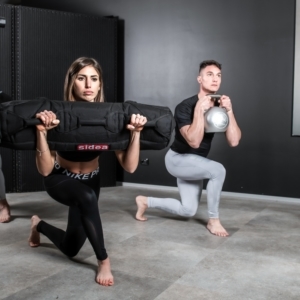
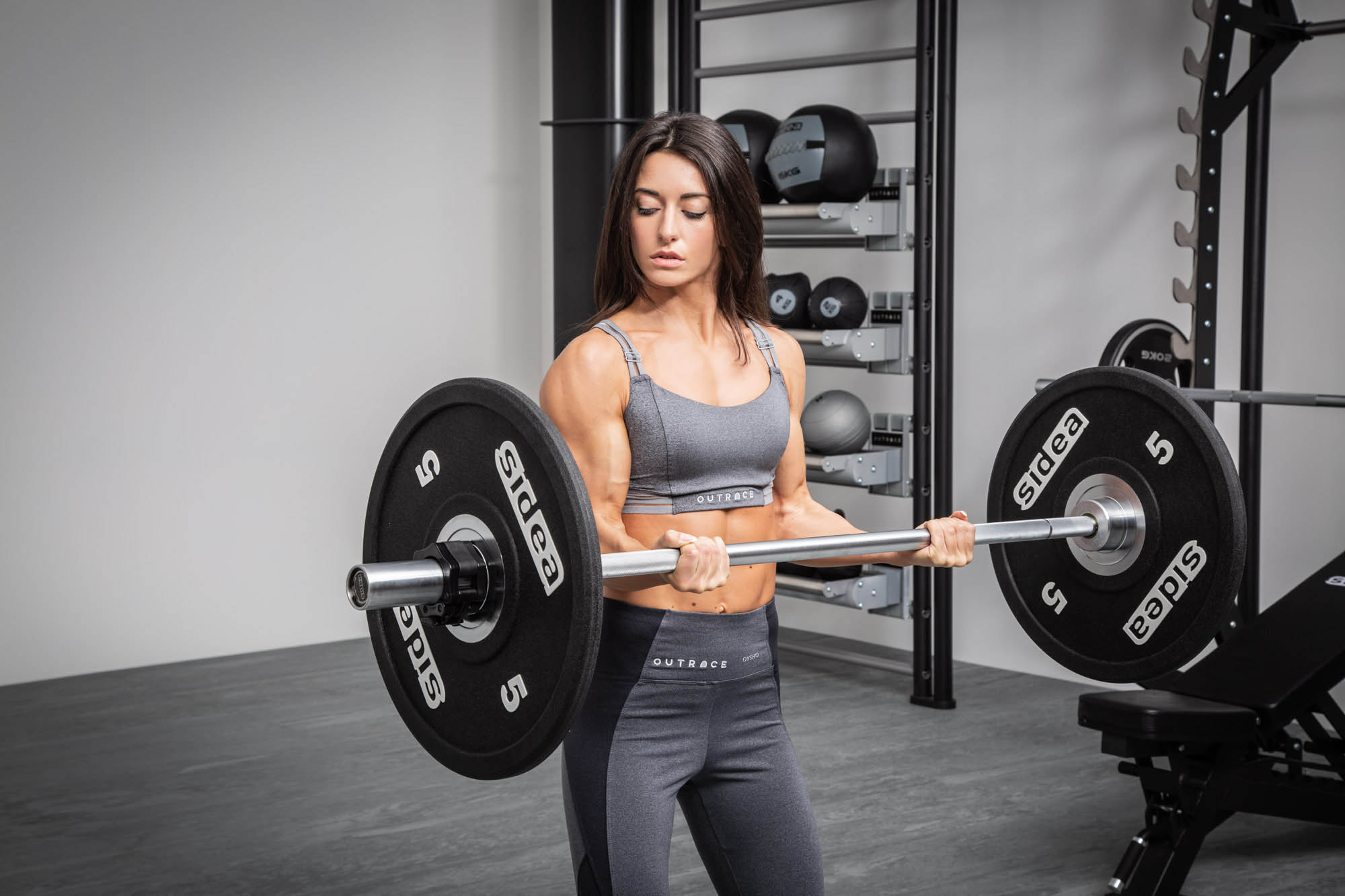
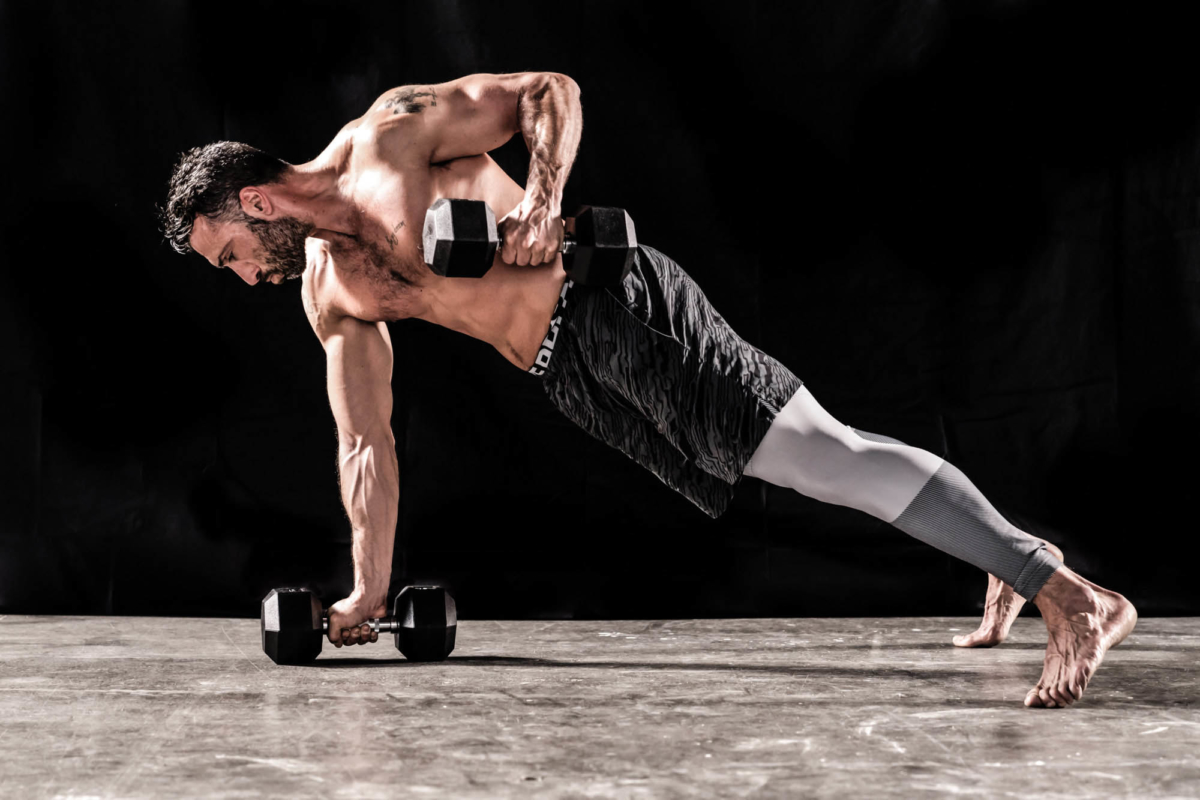
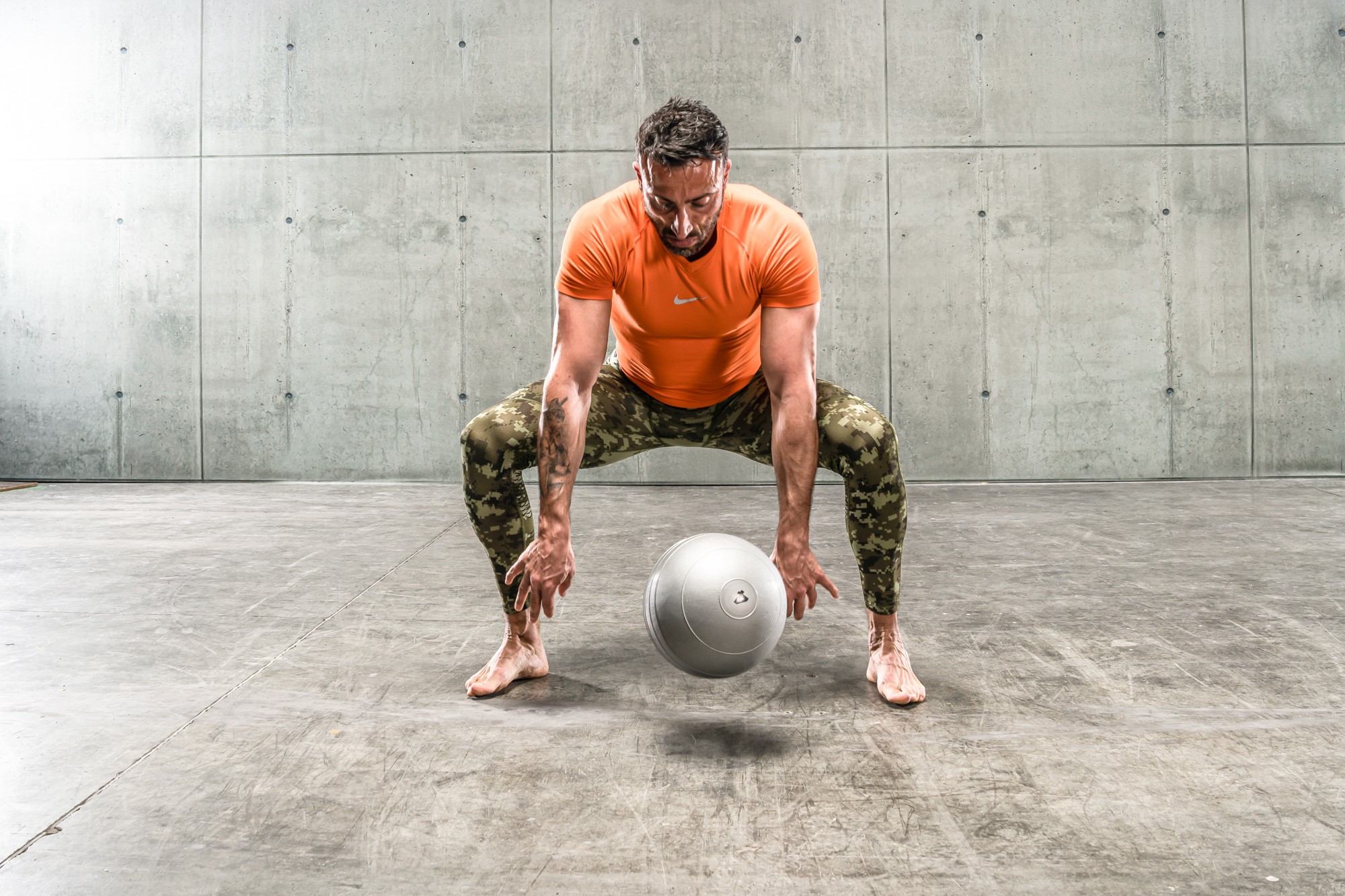
The concept of three-dimensional training, central to Sidea, requires that every program works across all planes of movement: frontal, sagittal, and transverse. Integrated into a complete ecosystem that includes free barbells, cable systems, pull-ups, dips, and modular accessories, the Smith Machine becomes a strategic component for safely executing certain fundamental exercises. These can then be combined with free movements using Kettlebells, Claves, Flow-Bags, Flying Suspension Training, and Medicine Balls for an effective, safe, and individualized progression.

Advantages of the Smith Machine in the All-in-One
- Safety
- Guided movement reduces the risk of technical errors.
- Allows independent use even with heavy loads.
- Ideal in cases of instability or temporary physical limitations.
- Control
- Counterbalanced barbell to facilitate movement initiation.
- Smooth motion ensured by bearing or bushing systems with no sticking points.
- Adjustable safety stops.
- Versatility
- Compatible with traditional strength exercises (squats, bench press, military press).
- Can be used with bands for plyometric or compensatory work.
- Perfect integration with optional benches and other accessories.
- Progression
- Offers an optimal learning curve for beginners.
- Ideal for introducing progressive loads safely.
- Useful in rehabilitation or for low-impact exercises.
- Performance & Comfort
- Ø 32 mm barbells on the 9080 model to improve grip and reduce discomfort on palms and back.
- Rubber bumpers and stainless steel guides for a solid, professional-quality feel.
9080 vs 9088: Two Racks, One Functional Philosophy
Both All-in-One racks include the Smith Machine as part of the standard configuration, but target different users:
- 9080 All-in-One Rack: compact, smart, perfect for home gyms and personal training studios. 18.5 kg Smith Machine, Ø 32 mm, bushing system—ideal for intensive use in limited spaces.
- 9088 All-in-One Rack Premium: top of the range for professional settings. 26 kg Smith Machine with counterweights for a perceived starting load of only 5 kg. Bearing-guided system, chrome finishes, and engineering designed for top performance.
Both Sidea models deliver a truly integrated all-in-one solution capable of meeting every user goal—from athletic preparation to rehabilitation, from aesthetic improvement to functional performance.

Conclusions: Sidea’s Smith Machine, Custom Training, and Precision Training
In an era where tailored training is the new frontier of performance, the Smith Machine—especially when integrated into a multifunctional system like Sidea’s 9080 and 9088 racks and the various Sidea training tools—takes on a strategic role. It is no longer just a guided-movement device, but an enabling tool, a powerful amplifier of possibilities, and an integral part of a modular, three-dimensional, and functional ecosystem.
This also ties directly to the concept of Precision Training:
- In fitness, it allows for work on movement quality, correct technique, and safe load management.
- In strength & conditioning, it enables technical phase isolation, asymmetry correction, and targeted strength development.
- In rehabilitation, it becomes essential for progressive motor recovery, ensuring safe, predictable trajectories while controlling every variable of the movement.
In conclusion, integrating the Smith Machine into multifunctional racks such as the 9080 and 9088 represents a significant evolution in functional training. It is no longer an apparatus limited to guided movements, but a tool capable of supporting personalized, safe, and progressive programs in synergy with other devices and methods.
With the ability to modulate load, isolate biomechanical variables, and structure specific training paths—from recovery to peak performance—the Smith Machine assumes a central role in the logic of precision training and movement education, helping build solid motor skills gradually and in a controlled manner.
This functional reconfiguration opens new educational scenarios where the equipment’s technology does not replace learning but guides it, safeguards it, and makes it repeatable: a bridge between mechanical control and motor freedom.
Sidea fitness
